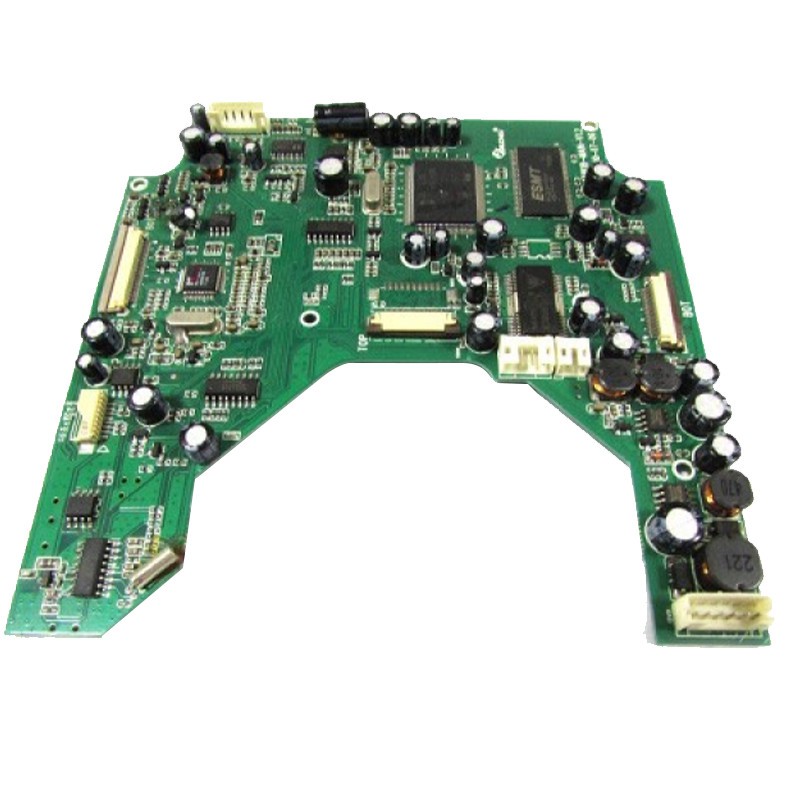
Business continuity plans are super important in the laptop PCBA assembly business. As a Laptop PCBA Assembly supplier, I've seen firsthand how having a solid plan can make or break a company during tough times. In this blog, I'll share some thoughts on what these business continuity plans should look like.
Understanding the Risks
First off, we need to know what risks we're facing. There are a bunch of things that can mess up our laptop PCBA assembly operations. Natural disasters like earthquakes, floods, or hurricanes can damage our factories and disrupt the supply chain. For example, if a major earthquake hits the area where our key component suppliers are located, we might not be able to get the parts we need to assemble laptops.
Then there are man - made risks. Labor strikes can stop our production lines. If our workers go on strike, we won't be able to meet our production targets and deliver laptops to our customers on time. Cyberattacks are also a big threat these days. A hacker could break into our systems, steal sensitive information, or disrupt our manufacturing processes.


Supply Chain Management
One of the key aspects of a business continuity plan is supply chain management. We can't rely on just one supplier for our components. If that supplier has a problem, we're in big trouble. So, we need to have multiple suppliers for each component. For instance, if our main supplier of microchips has a production delay, we can switch to another supplier to keep our assembly line running.
We also need to keep an eye on our inventory levels. Having a buffer stock of critical components can help us tide over short - term supply disruptions. But we don't want to overstock either, because that ties up a lot of capital. It's all about finding the right balance.
Another thing we can do is build strong relationships with our suppliers. We should communicate with them regularly to understand their own risks and plans. If they're facing potential problems, we can work together to come up with solutions.
Facility and Infrastructure Resilience
Our factories need to be built to withstand various risks. We should invest in proper building design and maintenance to protect against natural disasters. For example, having earthquake - resistant structures in earthquake - prone areas can reduce the damage to our facilities.
We also need to have backup power systems. Power outages can bring our assembly lines to a halt. A generator or an uninterruptible power supply (UPS) can keep the essential equipment running until the power is restored.
In addition, we should have a plan for data backup and recovery. Our business data is crucial, and losing it can be a disaster. Regularly backing up data to off - site locations and having a system to quickly recover it in case of a problem is essential.
Employee Safety and Training
Our employees are our most valuable asset. During a crisis, their safety should be our top priority. We need to have emergency evacuation plans and training for our employees. They should know what to do in case of a fire, earthquake, or other emergencies.
We also need to provide training on business continuity procedures. Employees should be aware of how their roles fit into the overall plan. For example, if there's a supply chain disruption, they should know what alternative processes are in place and how they can contribute to keeping the business running.
Crisis Communication
During a crisis, communication is key. We need to have a communication plan in place to keep our employees, customers, and suppliers informed. We should establish a central communication channel, like an emergency email system or a dedicated hotline.
For our employees, we need to keep them updated on the situation, the safety measures in place, and any changes to work arrangements. For customers, we should let them know how the crisis is affecting our production and delivery schedules. We don't want them to be left in the dark. And for suppliers, we need to communicate our needs and see if they can help us out during the difficult times.
Testing and Updating the Plan
A business continuity plan is not something we can just write and forget about. We need to test it regularly. Conducting drills and simulations can help us identify any weaknesses in the plan. For example, we can simulate a cyberattack and see how well our response team can handle it.
Based on the results of the tests, we should update the plan. The business environment is constantly changing, and new risks may emerge. So, our plan needs to be flexible and adaptable.
Related PCBA Services
If you're also interested in other PCBA services, we offer Smart Speaker PCBA, Smart TV PCBA Assembly, and Gaming Consoles PCBA Assembly. These are all important areas in the consumer electronics market.
Conclusion and Call to Action
In conclusion, having a comprehensive business continuity plan is vital for a laptop PCBA assembly supplier like me. It helps us deal with unexpected events and keep our business going. If you're in the market for laptop PCBA assembly or any of the related services I mentioned, I'd love to talk to you. Whether you have questions about our business continuity plans or just want to discuss your specific requirements, feel free to reach out. Let's start a conversation and see how we can work together to meet your needs.
References
- Business Continuity Institute: Best Practices in Business Continuity Management
- ISO 22301:2019 - Societal security -- Business continuity management systems -- Requirements